Technology has also made its way into the construction world. New materials, more sustainable regulations, and new ways of planning. In architecture and construction, BIM is undoubtedly an element that has become increasingly important.
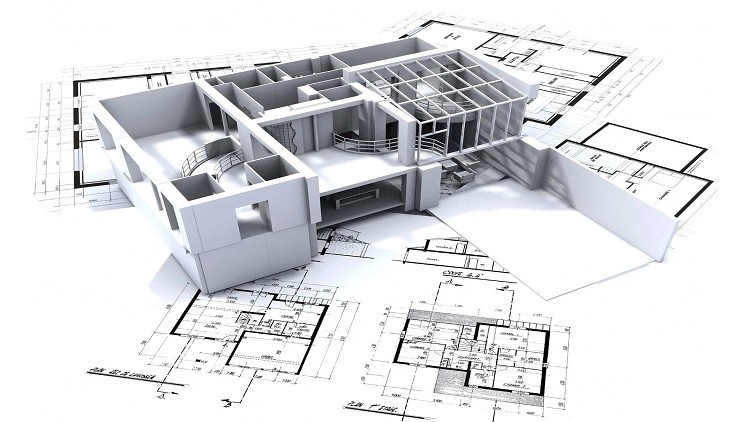
BIM (Building Information Modeling) is a process based on intelligent 3D models that provides architecture, engineering, and construction (AEC) professionals with information and tools to plan, design, build, and manage buildings and infrastructure more efficiently.
BIM, or Building Information Modeling, is a process for creating and managing information about a construction project throughout the project lifecycle. One of the key outcomes of this process is the Building Information Model, the digital description of all aspects of the built asset. This model is based on information gathered collaboratively and kept up to date during the key phases of the project. Creating a digital building information model allows users who interact with the building to optimize their actions, resulting in greater lifecycle value for the asset.
What benefits can it bring to construction and to clients?
- Better collaboration and communication. …
- Model-based cost estimation. …
- Preconstruction project visualization. …
- Improved coordination and clash detection. …
- Reduced costs and mitigated risk. …
- Improved scheduling / sequencing. …
- Increased productivity and prefabrication. …
- Safer construction sites.